

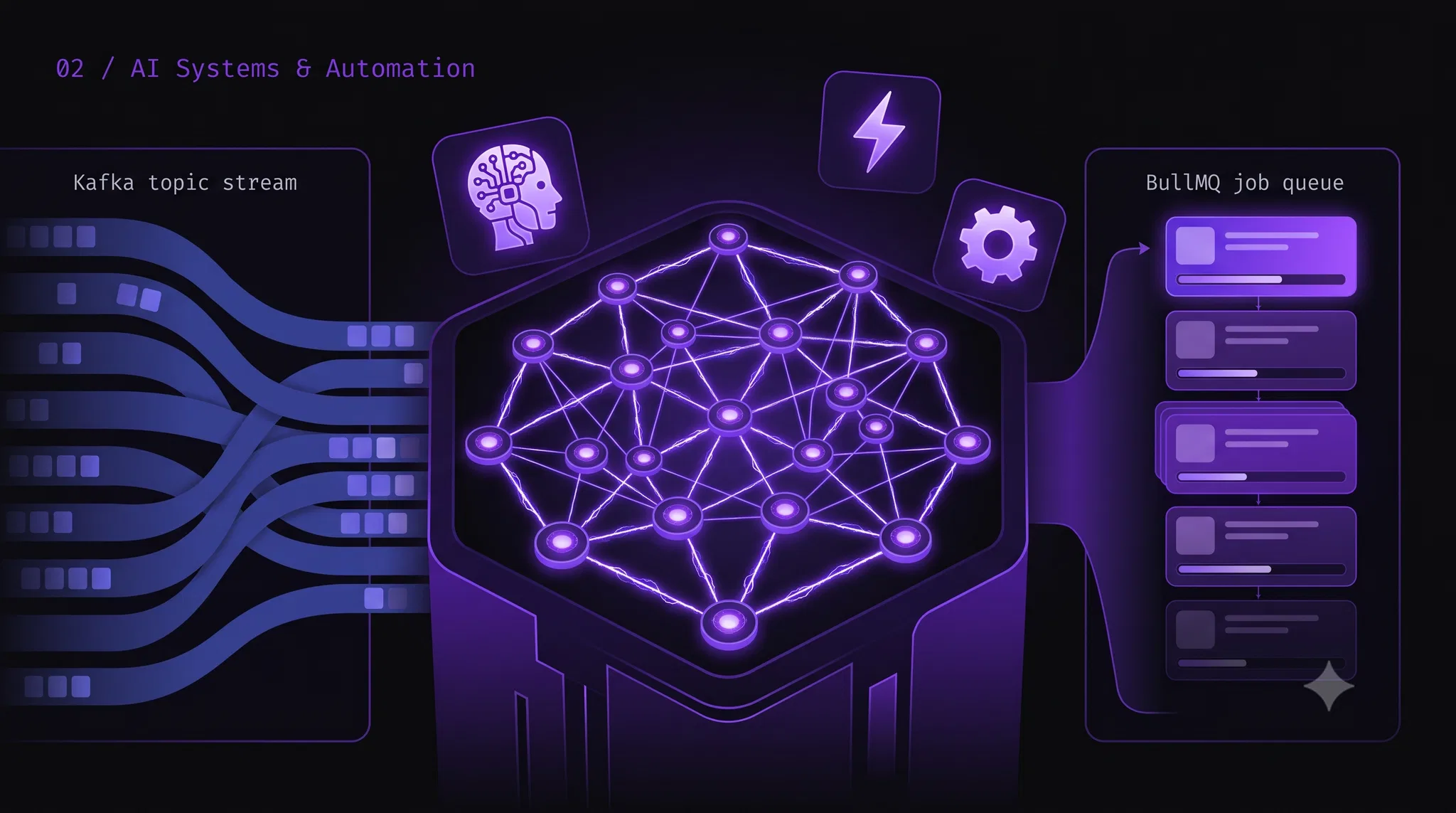
As AI evolves from code completion to autonomous software development, the role of engineers is shifting beyond implementation. Modern engineering is becoming less about writing every line of code and more about designing systems, defining requirements, reviewing outcomes, and making architectural decisions that AI can execute reliably.
What you'll learn:
- 🤖 Why AI is replacing repetitive coding—not engineering thinking
- 🧠 The rise of Agentic Engineering and autonomous development workflows
- 🏗 Why architecture and system design are becoming the most valuable skills
- 📝 How clear specifications drive better AI-generated solutions
- 🔍 The growing importance of code review, validation, and engineering judgment
- 🚀 How software engineers are evolving into technical leaders and decision-makers
Key Insights
🤖 The Rise of Agentic Engineering
Modern AI agents can understand entire codebases, modify multiple files, execute tasks, and assist with complex software development workflows, transforming how engineering teams build products.
🧠 The New Engineering Bottleneck
The challenge is no longer writing code quickly—it's defining problems clearly, creating precise specifications, and making sound technical decisions before implementation begins.
🏗 Architecture Matters More Than Ever
As implementation becomes increasingly automated, system architecture, scalability, maintainability, and long-term technical planning become the primary responsibilities of experienced engineers.
🔍 Human Judgment Remains Essential
AI can generate solutions, but engineers remain responsible for validating correctness, reviewing trade-offs, identifying edge cases, and ensuring software aligns with business objectives.
🚀 The Evolution of Engineering Roles
The future belongs to engineers who combine technical expertise with product thinking, architectural vision, and leadership—guiding AI rather than competing with it.